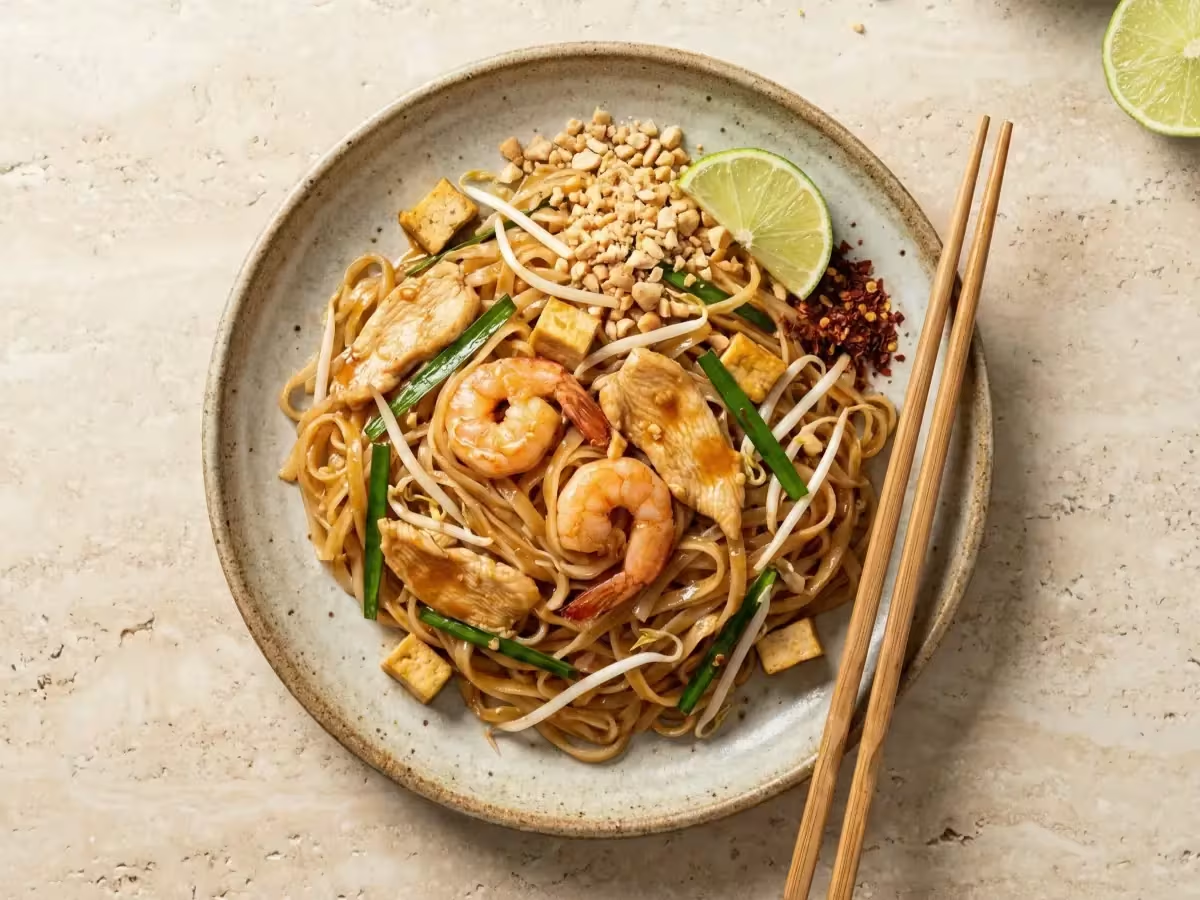
Tangerly.com (AI-generated)
Authentic Chicken and Shrimp Pad Thai
Master the art of Authentic Pad Thai with our foolproof recipe. Achieve the perfect balance of sweet, sour, and savory flavors at home. Make it tonight!
Servings3
Preparation Time45 m
DifficultyMedium
Calories844 kcal
DinnerMain Courseunder 1hThaiFryingPoultryFish & SeafoodPasta, Rice & GrainsQuick
Ingredients
|
For the Pad Thai Sauce
- 3 tbsp tamarind concentrate
- 3 tbsp fish sauce
- 4 tbsp palm sugar or brown sugar
- 1 tbsp lime juice
- 60 ml water
For the Stir-Fry
- 200 grams flat rice noodles (about 5mm wide)
- 3 tbsp neutral oil, like canola or vegetable
- 150 grams boneless, skinless chicken breast, thinly sliced
- 150 grams raw shrimp, peeled and deveined
- 100 grams firm or pressed tofu, cut into small cubes
- 3 cloves garlic, minced
- 1 large shallot, thinly sliced
- 2 large eggs
- 100 grams fresh bean sprouts
- 50 grams garlic chives, cut into 2-inch pieces
- 4 tbsp unsalted roasted peanuts, coarsely chopped
- 1 lime, cut into wedges for serving
- Dried chili flakes, for serving
Instructions
Prep the Noodles & Sauce Place the rice noodles in a large bowl and cover with hot (not boiling) tap water Let them soak for 15-20 minutes, or until they are pliable but still have a firm bite Drain them immediately and set aside. While the noodles soak, whisk together all the sauce ingredients—tamarind, fish sauce, palm sugar, lime juice, and water—in a small bowl until the sugar dissolves. Taste and adjust; it should be a bold balance of sour, salty, and sweet.
Prepare the Wok Heat a large wok or skillet over medium-high heat Add 1 tablespoon of oil and swirl to coat Add the tofu cubes and fry, turning occasionally, until they are golden brown and crispy on all sides. Remove the tofu with a slotted spoon and set aside.
Cook the Proteins Add another tablespoon of oil to the hot wok Add the sliced chicken and stir-fry until it's just cooked through Add the shrimp and cook for 1-2 minutes until they turn pink and opaque. Don't overcook them! Remove the chicken and shrimp from the wok and set aside with the tofu.
The Aromatics & Scramble Lower the heat to medium, add the final tablespoon of oil Add the minced garlic and sliced shallot and stir-fry for about 30 seconds until fragrant and softened—be careful not to burn them Push the aromatics to one side of the wok. Crack the eggs into the empty side and scramble them lightly until they are just set. Break them up into smaller pieces with your spatula.
The Final Toss Add the drained noodles to the wok, along with the cooked tofu, chicken, and shrimp Pour the prepared Pad Thai sauce all over everything Using tongs or two spatulas, toss everything together gently but quickly, ensuring every noodle is coated in the glossy sauce. Cook for 1-2 minutes, allowing the noodles to absorb the flavor and finish cooking.
Garnish & Serve Turn off the heat Add half of the bean sprouts, all the garlic chives, and half of the chopped peanuts to the wok Give it one final toss to combine. The residual heat will gently wilt the sprouts and chives. Immediately divide the Pad Thai among serving plates. Garnish with the remaining bean sprouts and peanuts. Serve hot with lime wedges and chili flakes on the side for everyone to customize their bowl.
Tips
Don't Crowd the Pan: A hot, spacious wok is crucial. If your pan is too small, cook the ingredients in batches. Overcrowding will steam the food instead of stir-frying it, resulting in a soggy Pad Thai.
Noodle Texture is Everything: The biggest mistake is over-soaking the noodles. They should be pliable but still feel slightly undercooked when you drain them. They will finish cooking in the hot sauce in the wok.
Tamarind is Non-Negotiable: For that authentic tangy flavor, use tamarind concentrate (or paste), not tamarind sauce. It's a thick, dark paste found in Asian markets. Its sour note is the true heart of Pad Thai sauce.
Nutrition Information
(per serving)
The nutritional values provided are estimates and have been calculated automatically. Actual values may vary depending on the ingredients used and the method of preparation. This information is for informational purposes only and should not be treated as medical or dietary advice.
Calories844 kcal
Fat32 g
Protein44 g
Carbohydrates99 g
Sugar30 g
Sodium (Salt)1345 mg(3.4 g)
Fun facts
A Dish With a Mission
Pad Thai is a relatively modern dish! It was popularized in the 1930s and 1940s by Thailand's prime minister as part of a campaign to modernize the country and establish a national identity.\n The name literally means 'Thai-style stir-fried noodles' and was created to encourage the consumption of rice noodles to boost the local economy.
Why We Never Boil the Noodles
Contrary to intuition, you never boil Pad Thai noodles like pasta. Boiling water makes the delicate rice strands mushy the moment they hit the pan. Soaking them in warm water allows them to soften yet retain structure, ensuring they finish cooking by drinking up the hot sauce in the wok, not water.
The Balance of Four Flavors
The secret to addictive Pad Thai lies in harmony. A good sauce must hit four notes simultaneously: * Sour (Tamarind) * Salty (Fish Sauce) * Sweet (Palm Sugar) * Spicy (Chili) If even one is missing, the dish loses its soul.
Chef's Note
There's a reason Pad Thai is beloved worldwide. It's more than just a noodle dish; it's a symphony in a bowl. Imagine the sound of a sizzling wok, the fragrant cloud of garlic and shallots hitting hot oil, and the incredible moment when that tangy, sweet, and savory sauce coats every single noodle. This recipe brings the vibrant energy of a Bangkok street stall right into your kitchen. The magic lies in the balance. The chewy rice noodles provide the perfect canvas for tender chicken, plump shrimp, and savory bits of fried tofu. Crisp bean sprouts and fresh garlic chives add a delightful crunch, while a generous sprinkle of roasted peanuts and a final squeeze of lime tie everything together. It's a dish that hits every note—a comforting, exhilarating meal that feels both special and wonderfully achievable for a weeknight dinner.
Tips
Don't Crowd the Pan: A hot, spacious wok is crucial. If your pan is too small, cook the ingredients in batches. Overcrowding will steam the food instead of stir-frying it, resulting in a soggy Pad Thai.
Noodle Texture is Everything: The biggest mistake is over-soaking the noodles. They should be pliable but still feel slightly undercooked when you drain them. They will finish cooking in the hot sauce in the wok.
Tamarind is Non-Negotiable: For that authentic tangy flavor, use tamarind concentrate (or paste), not tamarind sauce. It's a thick, dark paste found in Asian markets. Its sour note is the true heart of Pad Thai sauce.
Nutrition Information
(per serving)
The nutritional values provided are estimates and have been calculated automatically. Actual values may vary depending on the ingredients used and the method of preparation. This information is for informational purposes only and should not be treated as medical or dietary advice.
Calories844 kcal
Fat32 g
Protein44 g
Carbohydrates99 g
Sugar30 g
Sodium (Salt)1345 mg(3.4 g)
Fun facts
A Dish With a Mission
Pad Thai is a relatively modern dish! It was popularized in the 1930s and 1940s by Thailand's prime minister as part of a campaign to modernize the country and establish a national identity.\n The name literally means 'Thai-style stir-fried noodles' and was created to encourage the consumption of rice noodles to boost the local economy.
Why We Never Boil the Noodles
Contrary to intuition, you never boil Pad Thai noodles like pasta. Boiling water makes the delicate rice strands mushy the moment they hit the pan. Soaking them in warm water allows them to soften yet retain structure, ensuring they finish cooking by drinking up the hot sauce in the wok, not water.
The Balance of Four Flavors
The secret to addictive Pad Thai lies in harmony. A good sauce must hit four notes simultaneously: * Sour (Tamarind) * Salty (Fish Sauce) * Sweet (Palm Sugar) * Spicy (Chili) If even one is missing, the dish loses its soul.
Chef's Note
There's a reason Pad Thai is beloved worldwide. It's more than just a noodle dish; it's a symphony in a bowl. Imagine the sound of a sizzling wok, the fragrant cloud of garlic and shallots hitting hot oil, and the incredible moment when that tangy, sweet, and savory sauce coats every single noodle. This recipe brings the vibrant energy of a Bangkok street stall right into your kitchen. The magic lies in the balance. The chewy rice noodles provide the perfect canvas for tender chicken, plump shrimp, and savory bits of fried tofu. Crisp bean sprouts and fresh garlic chives add a delightful crunch, while a generous sprinkle of roasted peanuts and a final squeeze of lime tie everything together. It's a dish that hits every note—a comforting, exhilarating meal that feels both special and wonderfully achievable for a weeknight dinner.