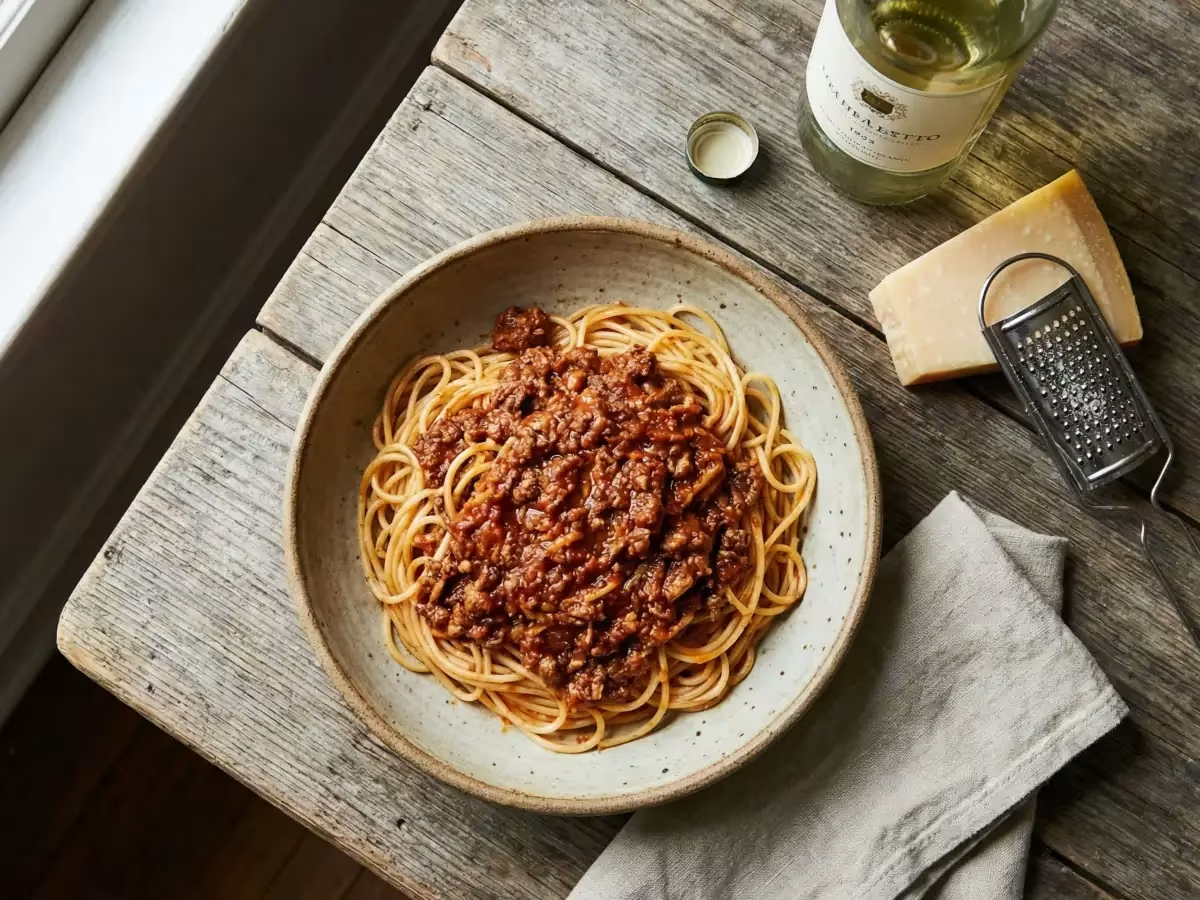
Tangerly.com (AI-generated)
Ragù Bolognese
Forget basic tomato sauce. This authentic recipe uses milk, white wine, and patience to create deep, rich flavor. Master the Italian classic at home.
Servings4
Preparation Time2 h 30 m
DifficultyMedium
Calories920 kcal
DinnerLunchMain Courseover 1hItalianCookingOne PotRed MeatPasta, Rice & GrainsFor KidsRomantic DinnerBudget-FriendlyMeal Prep / Lunchbox
Ingredients
|
Meat & Fats
- 50 grams raw smoked bacon (diced) or pancetta
- 300 grams ground beef
- 150 grams ground pork (for juiciness)
Vegetable Base (Soffritto)
- 2 stalks celery
- 1 medium onion
- 1 medium carrot
Liquids & Sauce
- 1 cup dry white wine
- 1 cup whole milk (don't skip this!)
- 600 grams high-quality tomato passata (purée)
Seasonings & Extras
- 2 bay leaves
- Salt and freshly cracked black pepper to taste
- Cooking fat (olive oil or a knob of butter)
- Authentic Parmigiano Reggiano cheese (for grating)
- Spaghetti pasta
Instructions
The Prep (Mise en place) Peel and dice your vegetables (celery, onion, carrot) into a super fine dice The smaller they are, the better they will melt into the sauce to thicken it naturally Stack your bacon slices, slice them lengthwise, then across to create perfect little lardons.
Render the Fat Grab a large, deep skillet or a heavy-bottomed pot (like a Dutch oven) and heat a splash of olive oil Toss in the chopped bacon Fry over medium heat until the fat renders out and the bits start to get crispy and golden.
Sauté the Veggies Add your chopped vegetables to the bacon fat Sauté everything for about 5-7 minutes, stirring often You want the onion to turn translucent and soft, but not burnt. This builds the sweet, savory foundation of the sauce.
Brown the Meat Crank the heat up a notch and add both ground meats (beef and pork) This is a crucial moment fry the meat while vigorously breaking up lumps with a spatula. The meat needs to turn brown and actually caramelize slightly—don't let it just "boil" in its own juices. Sauté for 5-10 minutes.
Deglaze with Wine Once the meat is browned, pour in the cup of white wine Stir the sauce, scraping up all the delicious browned bits stuck to the bottom of the pot (that's where the flavor lives!) Cook on fairly high heat until the alcohol evaporates and you can no longer smell the sharp booze (about 3 minutes).
Milk & Tomatoes Lower the heat and pour in the cup of milk Simmer for a minute, stirring, until the meat absorbs some of the liquid Now, pour in the tomato passata and toss in the bay leaves. Give it a good stir and bring to a gentle boil.
The Slow Simmer (The Magic Step) Reduce the heat to the absolute minimum (the sauce should barely bubble) Cover the pot with a lid, leaving just a tiny crack for steam to escape Simmer for at least 2 hours (3 is even better). Stir occasionally. If it gets too thick, splash in a little water or broth. Season with salt and pepper at the very end.
Serving Cook your pasta al dente in a large pot of salted water Important Never put "naked" pasta on a plate with sauce on top. Drain the pasta and toss it directly into the pot with the sauce, stirring for a minute over heat so the sauce clings to every noodle. Serve with a mountain of freshly grated Parmigiano Reggiano.
Tips
Don't rush the chopping. The finer your soffritto (vegetable base), the more it will dissolve into the sauce, acting as a natural thickener.
Hydration check: If the sauce gets too thick while simmering, just add a splash of water, broth, or even pasta water.
It tastes better tomorrow! If you can, make this sauce a day ahead. The flavors (meat, wine, tomatoes) need a night to fully marry and deepen.
Don't throw away parmesan rinds! If you have a hard end of cheese, wash it and toss it into the simmering sauce (remove before serving). It acts as a natural umami bomb, adding incredible savoriness.
Avoid super lean meat. For a proper Ragù, you need meat with a bit of fat (like pork shoulder or higher-fat ground beef). Fat carries flavor and ensures the sauce stays velvety, not dry, after 3 hours of cooking.
Batch cook it! This sauce freezes beautifully. Make a double portion and freeze it in containers—it's a lifesaver for days when you want a homemade dinner in 10 minutes.
Nutrition Information
(per serving)
The nutritional values provided are estimates and have been calculated automatically. Actual values may vary depending on the ingredients used and the method of preparation. This information is for informational purposes only and should not be treated as medical or dietary advice.
Calories920 kcal
Fat35 g
Protein43 g
Carbohydrates95 g
Sugar16 g
Sodium (Salt)918 mg(2.3 g)
Fun facts
Why add milk?
It's a secret of the Bolognese grandmothers! Adding milk protects the meat from the acidity of the wine and tomatoes, making the final texture incredibly tender and adding a subtle, creamy sweetness.
White or Red Wine?
Contrary to popular belief, traditional Ragù is often made with dry white wine. It's lighter and allows the flavors of the meat and vegetables to shine through, rather than dominating them with the heavy tannins found in strong red wines.
The Art of Mixing
Italians call it "Mantecare"—the process of vigorously tossing pasta with the sauce and a splash of starchy pasta water. This ensures the sauce doesn't slide off the noodles but emulsifies to create a perfect union.
The Pasta Controversy
In Bologna, serving Ragù with Spaghetti is technically considered a mistake! Traditionally, they use fresh egg Tagliatelle. The wide, porous ribbons catch the thick meat sauce perfectly, whereas sauce tends to slide off slippery spaghetti.
The Official 1982 Recipe
To protect their heritage, the Italian Academy of Cuisine deposited the official recipe for Ragù alla Bolognese with the Bologna Chamber of Commerce in 1982. That official document explicitly calls for milk and white wine—just like our version!
The Secret Spice
Many traditional chefs grate a pinch of fresh nutmeg into the sauce. Its warm, nutty aroma pairs perfectly with the milk and meat, adding a layer of sophisticated depth.
Chef's Note
This isn't your average Tuesday night meat sauce. This is a recipe rooted in Italian classics, upgraded with ingredients that make a massive difference: milk (for velvetiness), white wine (for brightness), and time. While purists in Bologna strictly serve this with egg pasta (Tagliatelle), let's be honest—it tastes absolutely incredible with your favorite Spaghetti at home, too. The real secret here is patience. A slow simmer transforms the meat into something meltingly tender, creating a harmony of flavors you just can't rush.
Tips
Don't rush the chopping. The finer your soffritto (vegetable base), the more it will dissolve into the sauce, acting as a natural thickener.
Hydration check: If the sauce gets too thick while simmering, just add a splash of water, broth, or even pasta water.
It tastes better tomorrow! If you can, make this sauce a day ahead. The flavors (meat, wine, tomatoes) need a night to fully marry and deepen.
Don't throw away parmesan rinds! If you have a hard end of cheese, wash it and toss it into the simmering sauce (remove before serving). It acts as a natural umami bomb, adding incredible savoriness.
Avoid super lean meat. For a proper Ragù, you need meat with a bit of fat (like pork shoulder or higher-fat ground beef). Fat carries flavor and ensures the sauce stays velvety, not dry, after 3 hours of cooking.
Batch cook it! This sauce freezes beautifully. Make a double portion and freeze it in containers—it's a lifesaver for days when you want a homemade dinner in 10 minutes.
Nutrition Information
(per serving)
The nutritional values provided are estimates and have been calculated automatically. Actual values may vary depending on the ingredients used and the method of preparation. This information is for informational purposes only and should not be treated as medical or dietary advice.
Calories920 kcal
Fat35 g
Protein43 g
Carbohydrates95 g
Sugar16 g
Sodium (Salt)918 mg(2.3 g)
Fun facts
Why add milk?
It's a secret of the Bolognese grandmothers! Adding milk protects the meat from the acidity of the wine and tomatoes, making the final texture incredibly tender and adding a subtle, creamy sweetness.
White or Red Wine?
Contrary to popular belief, traditional Ragù is often made with dry white wine. It's lighter and allows the flavors of the meat and vegetables to shine through, rather than dominating them with the heavy tannins found in strong red wines.
The Art of Mixing
Italians call it "Mantecare"—the process of vigorously tossing pasta with the sauce and a splash of starchy pasta water. This ensures the sauce doesn't slide off the noodles but emulsifies to create a perfect union.
The Pasta Controversy
In Bologna, serving Ragù with Spaghetti is technically considered a mistake! Traditionally, they use fresh egg Tagliatelle. The wide, porous ribbons catch the thick meat sauce perfectly, whereas sauce tends to slide off slippery spaghetti.
The Official 1982 Recipe
To protect their heritage, the Italian Academy of Cuisine deposited the official recipe for Ragù alla Bolognese with the Bologna Chamber of Commerce in 1982. That official document explicitly calls for milk and white wine—just like our version!
The Secret Spice
Many traditional chefs grate a pinch of fresh nutmeg into the sauce. Its warm, nutty aroma pairs perfectly with the milk and meat, adding a layer of sophisticated depth.
Chef's Note
This isn't your average Tuesday night meat sauce. This is a recipe rooted in Italian classics, upgraded with ingredients that make a massive difference: milk (for velvetiness), white wine (for brightness), and time. While purists in Bologna strictly serve this with egg pasta (Tagliatelle), let's be honest—it tastes absolutely incredible with your favorite Spaghetti at home, too. The real secret here is patience. A slow simmer transforms the meat into something meltingly tender, creating a harmony of flavors you just can't rush.