Tangerly.com (AI-generated)
Classic Greek Salad (Horiatiki) – The Authentic Recipe
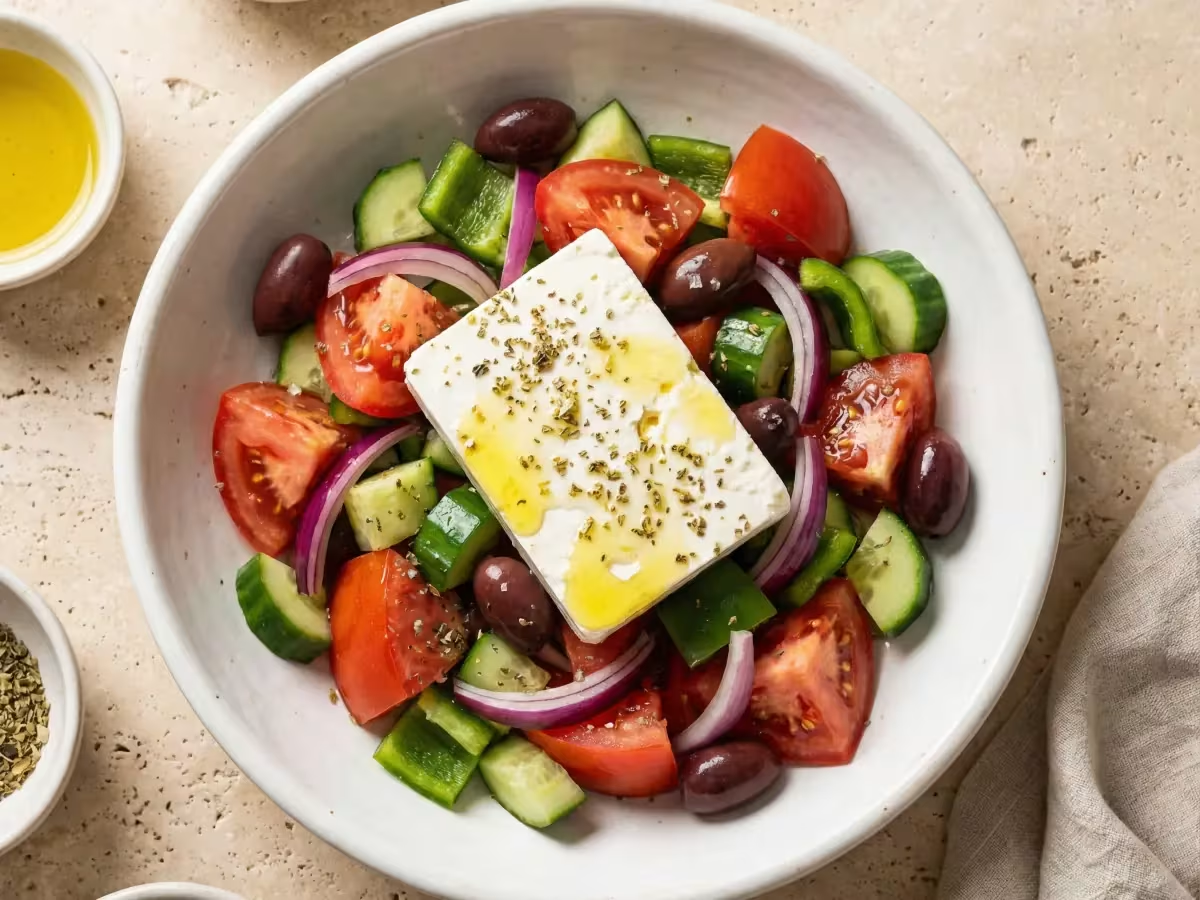
Experience the essence of a Mediterranean summer with this authentic Horiatiki. Think sun-ripened tomatoes, crisp cucumbers, and a glorious block of feta—absolutely no lettuce allowed!
Servings4
Preparation Time15 m
DifficultyEasy
Calories343 kcal
LunchDinnerSaladAppetizerSnackunder 15 minGreekCold PrepVegetablesVegetarianBarbecuePartyQuick
Ingredients
|
The Salad Base
- 4 ripe tomatoes
- 1 cucumber
- 1 red onion
- 1 green bell pepper
- 100 grams Kalamata olives (pitted or whole)
Toppings & Dressing
- 200 grams feta cheese (block)
- 60 ml extra virgin olive oil
- 1 tbsp red wine vinegar
- 1 tsp dried oregano
- Sea salt to taste
Instructions
Prep the Veggies Give all your vegetables a good wash Chop the tomatoes into large, irregular wedges Slice the cucumber into thick rounds or half-moons (I like to peel it in alternating strips for a nice texture). Remove the seeds from the green pepper and slice it into rings or chunks. Peel the red onion and slice it into thin rings.
Build the Base In a large, shallow bowl or platter, combine the tomatoes, cucumber, green pepper, and red onion Give it a gentle toss so the colors are evenly distributed Scatter the Kalamata olives over the vegetables.
Add the Crown Jewel Place the block of feta cheese directly on top of the salad In Greece, it is tradition to leave the block whole or slice it into large rectangular slabs rather than crumbling it.
Season and Serve Generously drizzle the extra virgin olive oil and red wine vinegar over the cheese and vegetables Dust the whole dish with dried oregano, focusing mainly on the feta Add a pinch of sea salt (go easy, as the feta and olives pack a salty punch). Serve immediately with crusty bread to sop up those delicious juices.
Tips
If raw red onion is too sharp for your taste, soak the sliced rings in a small bowl of ice water with a spoonful of vinegar for 10 minutes before adding them. This chef's trick removes that aggressive sulfur bite and makes the onion incredibly crunchy.
Never use tomatoes straight from the fridge! Cold kills their flavor. Let them sit on the counter for at least an hour before slicing—at room temperature, they release their full sweetness and aroma, which is non-negotiable in such a simple dish.
In a Horiatiki, olive oil isn't just a cooking fat; it's a primary flavor carrier (often called 'liquid gold'). This is the moment to break out your best bottle of Extra Virgin—look for one with a grassy or peppery finish.
Nutrition Information
(per serving)
The nutritional values provided are estimates and have been calculated automatically. Actual values may vary depending on the ingredients used and the method of preparation. This information is for informational purposes only and should not be treated as medical or dietary advice.
Calories343 kcal
Fat29 g
Protein11 g
Carbohydrates14 g
Sugar9 g
Sodium (Salt)840 mg(2.1 g)
Fun facts
The Lettuce Myth
Authentic Horiatiki never contains lettuce. • Leafy greens are considered a "filler" in this context; the dish is strictly about the summer harvest crops like tomatoes and cucumbers. • Adding lettuce turns it into a generic mixed salad rather than the traditional village dish.
Why "Village" Salad?
The name Horiatiki literally translates to "village salad" or "peasant salad." • It originated as a simple, rustic meal for farmers using ingredients that were readily available and affordable in the Greek countryside. • It reflects the principles of the "Mediterranean Diet" regarding fresh, seasonal, and unprocessed food.
Feta Etiquette
In Greece, you rarely see feta pre-crumbled. • It is served as a large slab on top of the salad to preserve its moisture and texture. • Diners are expected to break off chunks with their fork as they eat, mixing it with the tomato juices and olive oil right on the plate.
Chef's Note
True *Horiatiki* is a vibrant celebration of the Mediterranean harvest. Unlike many Western interpretations that rely on filler greens, the authentic version is a rustic, chunky mix of sun-ripened tomatoes, crisp cucumbers, sharp onion, and green peppers—without a single leaf of lettuce in sight. Because there's nowhere to hide, this dish demands your ripest vegetables and highest quality olive oil to really shine. The real showstopper here is the feta. Instead of crumbling it into oblivion, tradition dictates serving it as a generous, solid slab perched right on the summit of the vegetable mountain. When you break off a creamy, salty chunk and mix it with the tangy tomato juices and peppery olive oil, you get a flavor profile that is refreshing, savory, and unmistakably Greek. It’s the perfect side for grilled meats or a standalone light lunch on a hot day.
Tips
If raw red onion is too sharp for your taste, soak the sliced rings in a small bowl of ice water with a spoonful of vinegar for 10 minutes before adding them. This chef's trick removes that aggressive sulfur bite and makes the onion incredibly crunchy.
Never use tomatoes straight from the fridge! Cold kills their flavor. Let them sit on the counter for at least an hour before slicing—at room temperature, they release their full sweetness and aroma, which is non-negotiable in such a simple dish.
In a Horiatiki, olive oil isn't just a cooking fat; it's a primary flavor carrier (often called 'liquid gold'). This is the moment to break out your best bottle of Extra Virgin—look for one with a grassy or peppery finish.
Nutrition Information
(per serving)
The nutritional values provided are estimates and have been calculated automatically. Actual values may vary depending on the ingredients used and the method of preparation. This information is for informational purposes only and should not be treated as medical or dietary advice.
Calories343 kcal
Fat29 g
Protein11 g
Carbohydrates14 g
Sugar9 g
Sodium (Salt)840 mg(2.1 g)
Fun facts
The Lettuce Myth
Authentic Horiatiki never contains lettuce. • Leafy greens are considered a "filler" in this context; the dish is strictly about the summer harvest crops like tomatoes and cucumbers. • Adding lettuce turns it into a generic mixed salad rather than the traditional village dish.
Why "Village" Salad?
The name Horiatiki literally translates to "village salad" or "peasant salad." • It originated as a simple, rustic meal for farmers using ingredients that were readily available and affordable in the Greek countryside. • It reflects the principles of the "Mediterranean Diet" regarding fresh, seasonal, and unprocessed food.
Feta Etiquette
In Greece, you rarely see feta pre-crumbled. • It is served as a large slab on top of the salad to preserve its moisture and texture. • Diners are expected to break off chunks with their fork as they eat, mixing it with the tomato juices and olive oil right on the plate.
Chef's Note
True *Horiatiki* is a vibrant celebration of the Mediterranean harvest. Unlike many Western interpretations that rely on filler greens, the authentic version is a rustic, chunky mix of sun-ripened tomatoes, crisp cucumbers, sharp onion, and green peppers—without a single leaf of lettuce in sight. Because there's nowhere to hide, this dish demands your ripest vegetables and highest quality olive oil to really shine. The real showstopper here is the feta. Instead of crumbling it into oblivion, tradition dictates serving it as a generous, solid slab perched right on the summit of the vegetable mountain. When you break off a creamy, salty chunk and mix it with the tangy tomato juices and peppery olive oil, you get a flavor profile that is refreshing, savory, and unmistakably Greek. It’s the perfect side for grilled meats or a standalone light lunch on a hot day.