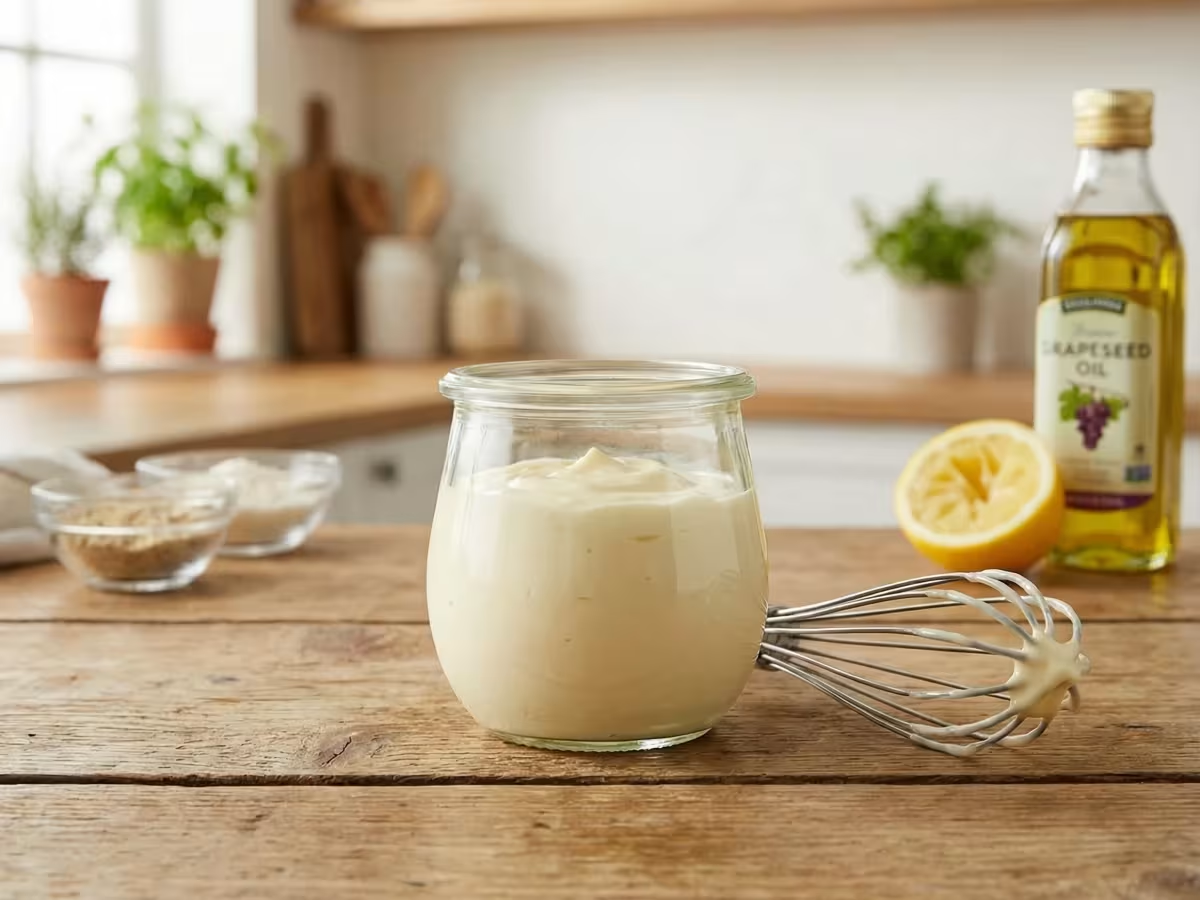
Tangerly.com (AI-generated)
Classic Homemade Mayonnaise
Say goodbye to store-bought jars! Our foolproof recipe for Homemade Mayonnaise delivers a velvety, tangy sauce that elevates any dish. Discover the difference!
Servings8
Preparation Time10 m
DifficultyEasy
Calories213 kcal
LunchSauce or DipSide Dishunder 15 minFrenchCold PrepDairy & EggsVegetarianQuick
Ingredients
|
- 1 large egg yolk, at room temperature
- 1 tsp Dijon mustard
- 2 tsp fresh lemon juice (or white wine vinegar)
- 200 ml neutral oil (like grapeseed, canola, or sunflower)
- A pinch of fine sea salt
- A pinch of white pepper (optional)
Instructions
Create the Base In a medium bowl with a stable base (try placing it on a damp tea towel), whisk together the egg yolk, Dijon mustard, and lemon juice until they are smooth and slightly pale This base is crucial for starting the emulsion.
The First Drops of Oil This is the most critical part While whisking constantly and vigorously, add the oil one drop at a time Seriously, just a drop You should see each drop fully incorporate before adding the next This will take about a minute, but it's what builds a stable foundation.
The Slow Stream Once the mixture begins to thicken and emulsify (it will look like a very loose sauce), you can start adding the oil in a very thin, steady stream while continuing to whisk If it looks like the oil is pooling on the surface, stop pouring and whisk furiously until it's incorporated before continuing.
Season and Finish Once all the oil is incorporated, the mayonnaise should be thick, glossy, and hold its shape Whisk in the salt and white pepper, if using Taste and adjust with more salt or lemon juice as needed The mayonnaise is ready to use immediately but will thicken further upon refrigeration Store in an airtight container in the fridge for up to 3-4 days.
Tips
Room Temperature is Key: Using a room temperature egg yolk is non-negotiable. Cold ingredients can prevent the emulsion from forming correctly, causing it to 'break' or separate.
Slow and Steady Wins the Race: Adding the oil too quickly, especially at the beginning, is the number one reason mayonnaise fails. Be patient with those first few drops!
How to Fix Broken Mayo: Don't throw it out! In a clean bowl, whisk a fresh egg yolk (or a teaspoon of Dijon mustard). Then, very slowly, drip the broken mixture into the new yolk while whisking constantly, just as you did with the oil. It should come back together into a perfect mayonnaise.
Immersion Blender Method: For a foolproof shortcut, place all ingredients except the oil in a tall jar that just fits the head of your immersion blender. Let them settle. Pour the oil on top. Insert the blender all the way to the bottom, turn it on, and slowly pull it up. The mayonnaise will magically form from the bottom up in seconds.
Nutrition Information
(per serving)
The nutritional values provided are estimates and have been calculated automatically. Actual values may vary depending on the ingredients used and the method of preparation. This information is for informational purposes only and should not be treated as medical or dietary advice.
Calories213 kcal
Fat24 g
Protein0 g
Carbohydrates0 g
Sugar0 g
Sodium (Salt)35 mg(0.1 g)
Fun facts
The Science of Emulsification
Mayonnaise is a classic example of an emulsion, which is a mixture of two liquids that normally don't mix, like oil and water (the water comes from the lemon juice and egg yolk). The secret is an emulsifier. In this case, it's lecithin, a protein found in the egg yolk. The lecithin molecules have one end that attracts water and one end that attracts oil, allowing them to act as a bridge and hold the tiny oil droplets suspended in the water, creating a stable, creamy sauce.
Chef's Note
There's a special kind of kitchen magic in transforming a few simple ingredients—an egg yolk, a splash of lemon, some oil—into a creamy, luxurious sauce. Making mayonnaise from scratch isn't just a recipe; it's a rite of passage. The moment the mixture thickens under your whisk, from a loose liquid into a pillowy, pale cream, is pure alchemy. The flavor is unparalleled: bright, tangy, and impossibly rich, without any of the artificial aftertaste of its jarred counterparts. This is the mayonnaise that will redefine your sandwiches, elevate your potato salads, and become your go-to dip for crisp, golden fries. It’s a foundational French 'mother sauce' for a reason, and mastering it connects you to a long tradition of cooks who understood the power of a perfect emulsion. Once you’ve tasted the real thing, there’s simply no going back.
Tips
Room Temperature is Key: Using a room temperature egg yolk is non-negotiable. Cold ingredients can prevent the emulsion from forming correctly, causing it to 'break' or separate.
Slow and Steady Wins the Race: Adding the oil too quickly, especially at the beginning, is the number one reason mayonnaise fails. Be patient with those first few drops!
How to Fix Broken Mayo: Don't throw it out! In a clean bowl, whisk a fresh egg yolk (or a teaspoon of Dijon mustard). Then, very slowly, drip the broken mixture into the new yolk while whisking constantly, just as you did with the oil. It should come back together into a perfect mayonnaise.
Immersion Blender Method: For a foolproof shortcut, place all ingredients except the oil in a tall jar that just fits the head of your immersion blender. Let them settle. Pour the oil on top. Insert the blender all the way to the bottom, turn it on, and slowly pull it up. The mayonnaise will magically form from the bottom up in seconds.
Nutrition Information
(per serving)
The nutritional values provided are estimates and have been calculated automatically. Actual values may vary depending on the ingredients used and the method of preparation. This information is for informational purposes only and should not be treated as medical or dietary advice.
Calories213 kcal
Fat24 g
Protein0 g
Carbohydrates0 g
Sugar0 g
Sodium (Salt)35 mg(0.1 g)
Fun facts
The Science of Emulsification
Mayonnaise is a classic example of an emulsion, which is a mixture of two liquids that normally don't mix, like oil and water (the water comes from the lemon juice and egg yolk). The secret is an emulsifier. In this case, it's lecithin, a protein found in the egg yolk. The lecithin molecules have one end that attracts water and one end that attracts oil, allowing them to act as a bridge and hold the tiny oil droplets suspended in the water, creating a stable, creamy sauce.
Chef's Note
There's a special kind of kitchen magic in transforming a few simple ingredients—an egg yolk, a splash of lemon, some oil—into a creamy, luxurious sauce. Making mayonnaise from scratch isn't just a recipe; it's a rite of passage. The moment the mixture thickens under your whisk, from a loose liquid into a pillowy, pale cream, is pure alchemy. The flavor is unparalleled: bright, tangy, and impossibly rich, without any of the artificial aftertaste of its jarred counterparts. This is the mayonnaise that will redefine your sandwiches, elevate your potato salads, and become your go-to dip for crisp, golden fries. It’s a foundational French 'mother sauce' for a reason, and mastering it connects you to a long tradition of cooks who understood the power of a perfect emulsion. Once you’ve tasted the real thing, there’s simply no going back.